Category: Learning the Ropes
-
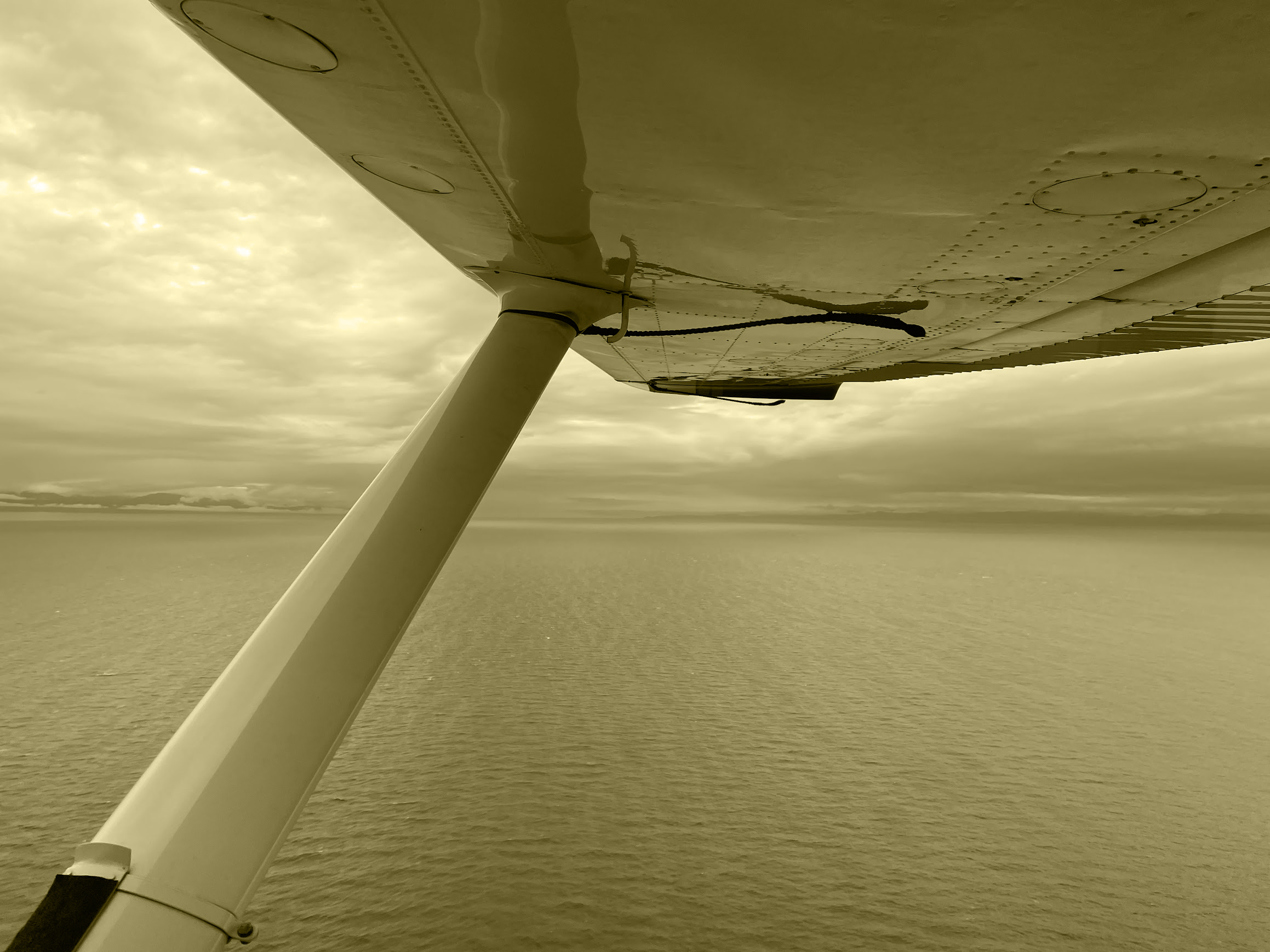
Rough water presents some of the most challenging conditions you can experience in a seaplane. Just like ‘glassy’ water, it is not one-size-fits-all. Rough water comes in all sorts of shapes and sizes, depending on its generating source. Rough water is never uniform, and we can use this characteristic to find the best possible conditions…
-
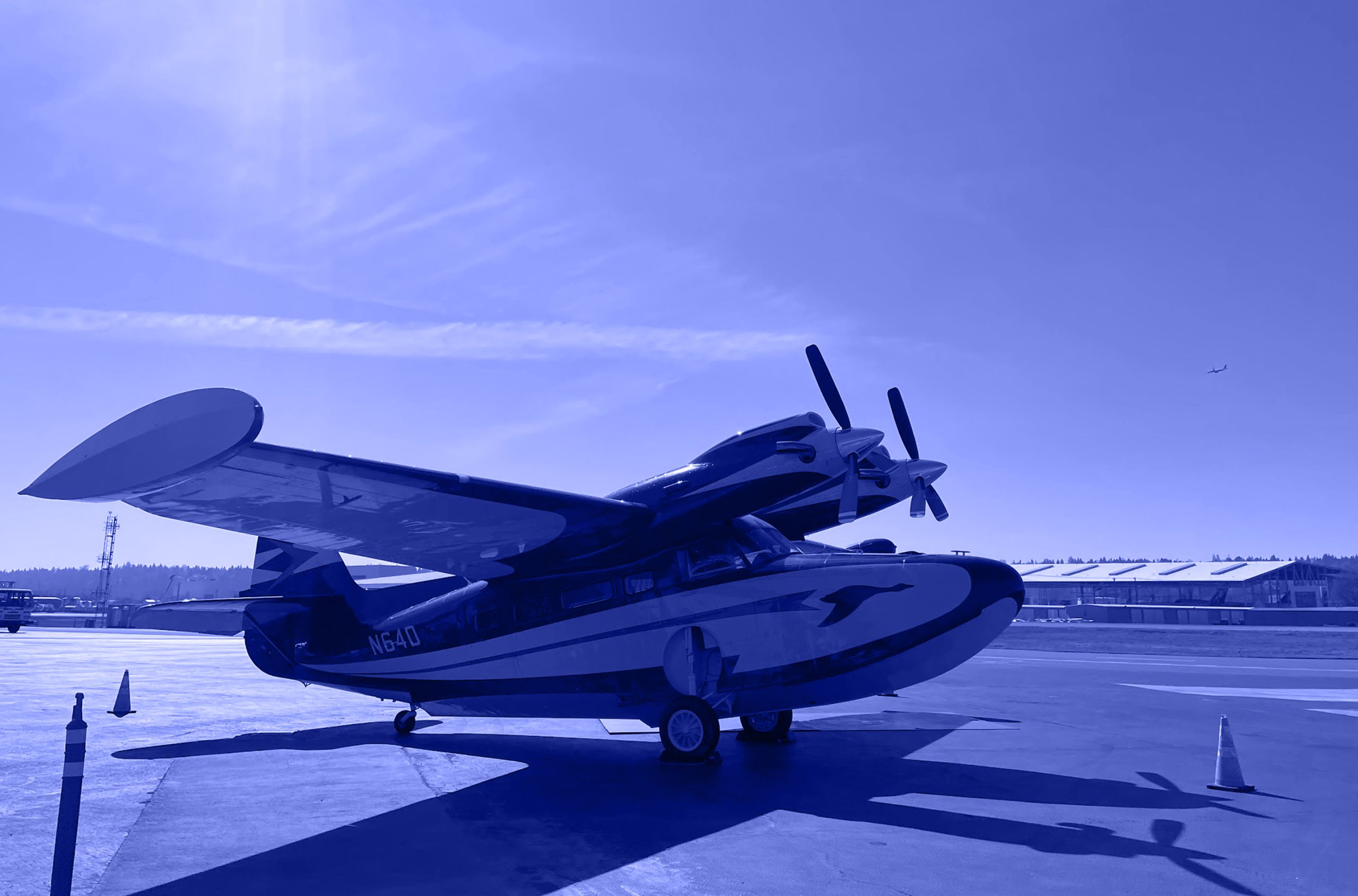
Engineers have invented several different designs to keep an airplane afloat, from flying hulls to the classic pontoon floats. This article will dive deeper into the classic float design features, though many of the same concepts apply to flying hull (flying boat) designs. But first, let’s briefly discuss each type of float system. Flying Boat…
-
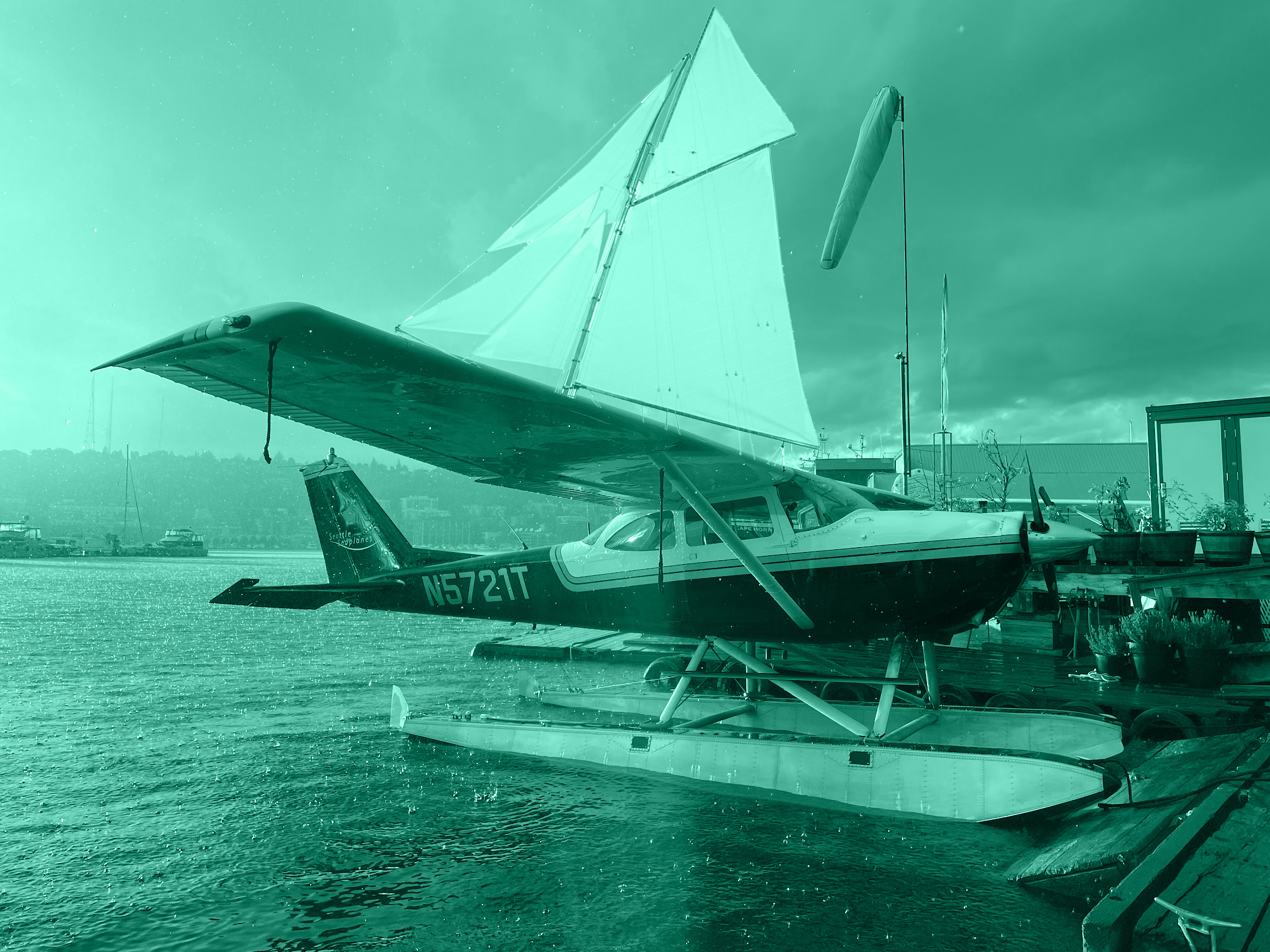
Seaplane training is a lot like a new airplane check-out. If you already have your private or commercial certificate, the FAA has already determined that you know how to fly an airplane. Thus, the primary training objectives of your ASES training will be to learn how to takeoff, land, and operate the seaplane on the…
-
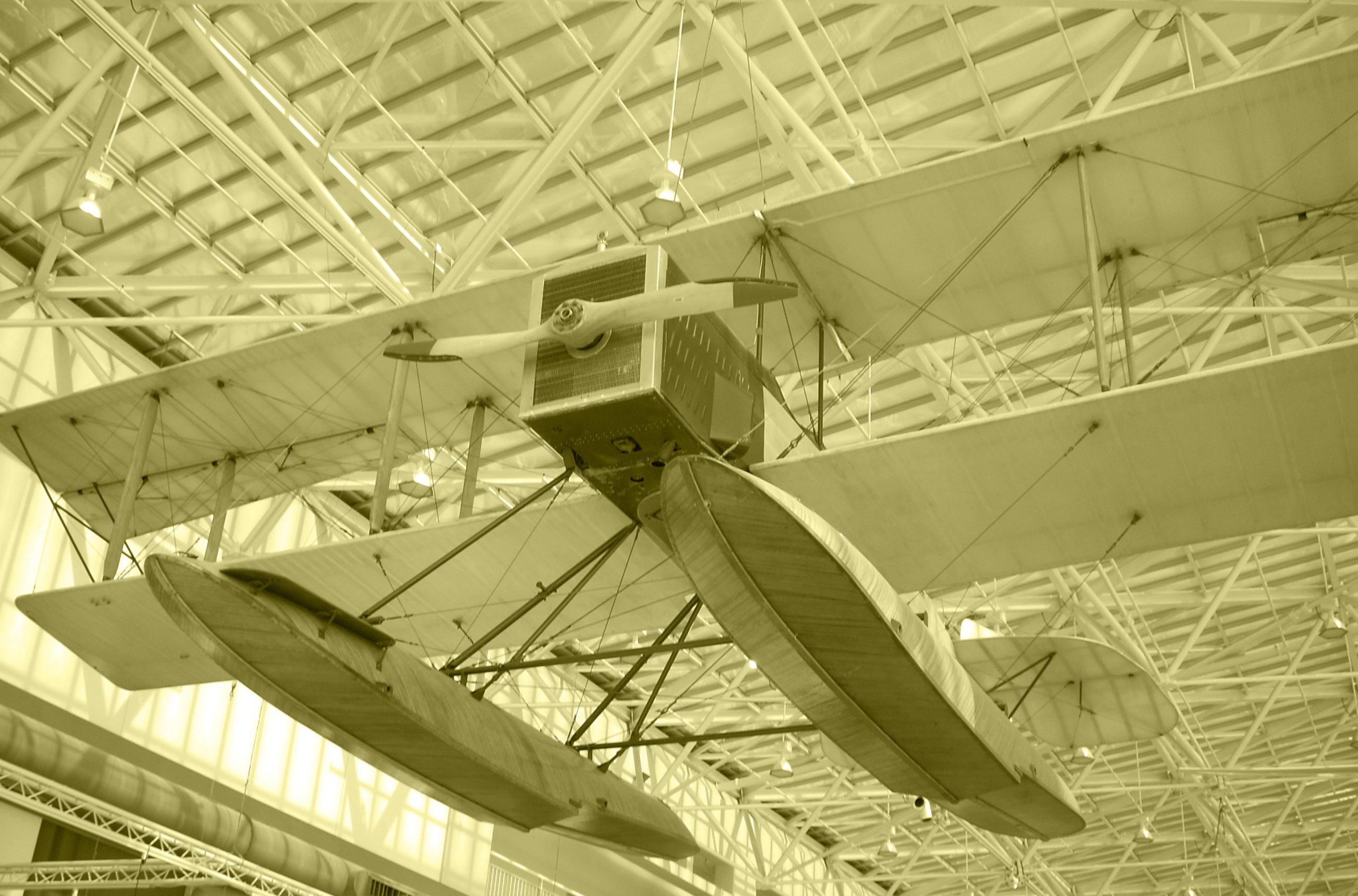
If there is one primary difference between seaplanes and land-planes, besides the obvious landing gear configurations, it is the extreme amount of drag we encounter moving through the water. Even some of the earliest seaplane designers understood that takeoff would be nearly impossible without reducing the amount of metal surface area contacting water. The solution…
-

When you hear the term ‘glassy water’, odds are that it conjures an image in your mind of a calm water surface – so reflective, in fact, that it becomes difficult to differentiate the horizon with the water surface. And while these conditions are certainly glassy in its most literal sense, there are several other…
-
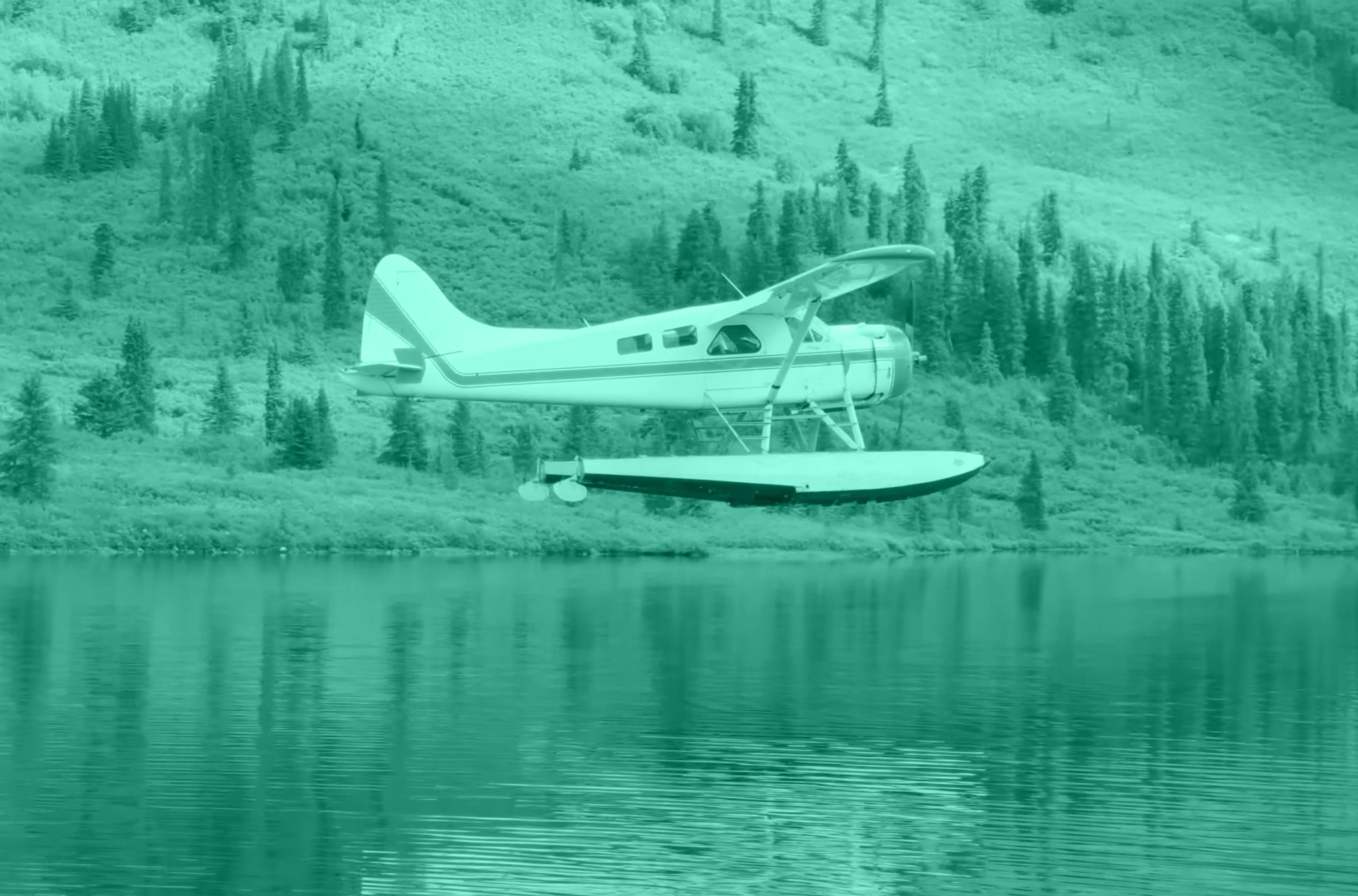
As floatplane pilots, we operate in a fluid environment. If you can excuse the pun, this is the most important facet of understanding water flying. Every takeoff and landing will be different than the previous, and we don’t have the luxury of ever becoming complacent. Everything is constantly changing, and we must be prepared at…